Unlike in the West, where marriage is
subjected to one’s own choice; in India, it is considered as an enduring unification
between two families rather than two individuals.
Indian Matrimonial Sites have taken the forefront in getting a
perfect match for you, leading to cultural union.

Arranged Marriages in India: An overview
Although the practice of finding a suitable
match for an eligible boy or a girl has changed with the advent of newspapers,
magazines or marriage websites, yet
in some parts of India, parents or the elders still take the lead in finding an
apt groom or a bride. However, unlike primitive times, today the children have
to have their consent for their chosen partner so that they can live happily
with each other post marriage.
In our country, when a marriage is
finalized by the parents or the elders, they consider a myriad of details like,
caste, the family background of the bride or the groom, educational and social
status, economic backdrop of the family, lifestyle and culture, look and appearance
of the couple, if the horoscope of the duo matches, and many more. In some
cases, even casual background verification of the individuals is performed with
the help of common friends and relatives. Such checking can provide a clear
picture about the character, habits, nature or any prior affairs of an
individual. After a successful screening
process, the acceptance comes from both the families and an enduring
relationship is established between them.
Both the prospective bride and the groom
are allowed to spend some quality time
with each other pre wedding, so that a successful arrange marriage can work out between the two .
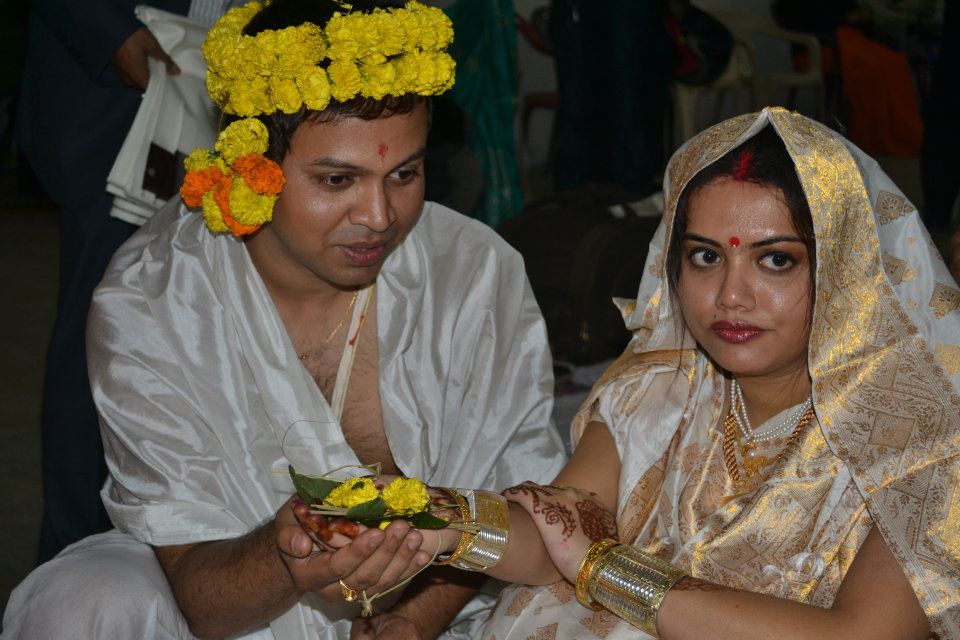
Stand of Indian Matrimonial Sites in Shaping the Social Custom:
No doubt,
the structure of extended family has become fragile over the decades paving the
way for nuclear family. This has led to the lack of social connections which
was hugely provided by the members of a joint family. Social networks are
considered as a strong medium for the parents of the prospective couple in
finding a suitable soul mate for their offspring. However, with the prevalence of the nuclear
family concept in the urban India, the traditional way of hunting for eligible
bride and groom has undergone a change. People now-a-days prefer to seek the
help of matrimonial advertisements in newspapers, marriage bureau, online
marriage registration, Swayamvar on television, etc.
With the
progress in information technology, online matrimonial services have made it
much easier for the parents to find a suitable spouse for their kids. Many
community and free matrimonial websites
too have emerged for the convenience of the Indian families, which assures to
find a perfect match within a week. This
has probably granted the ‘veto power’ to the marriageable candidate on any
proposal introduced by their parents.
